In today’s competitive business landscape, customer relationship management (CRM) software has become a crucial tool for companies looking to streamline their operations, improve customer interactions, and boost overall efficiency. With the right CRM software solution, businesses can centralize customer data, automate repetitive tasks, and enhance communication with clients. This article will explore how implementing the best CRM software can elevate your business to new heights of success.
Why CRM Software Matters
CRM software serves as a centralized hub for managing customer relationships, sales pipelines, marketing campaigns, and more. By consolidating customer data and interactions in one place, businesses can gain valuable insights into customer behavior, preferences, and needs. This data-driven approach enables companies to deliver personalized experiences, targeted marketing campaigns, and exceptional customer service.
Additionally, CRM software automates routine tasks such as data entry, lead tracking, and email communications, freeing up valuable time for sales and marketing teams to focus on high-priority activities. With real-time analytics and reporting features, businesses can track key performance metrics, identify trends, and make data-driven decisions to drive growth and profitability.
Choosing the Best CRM Software Solution
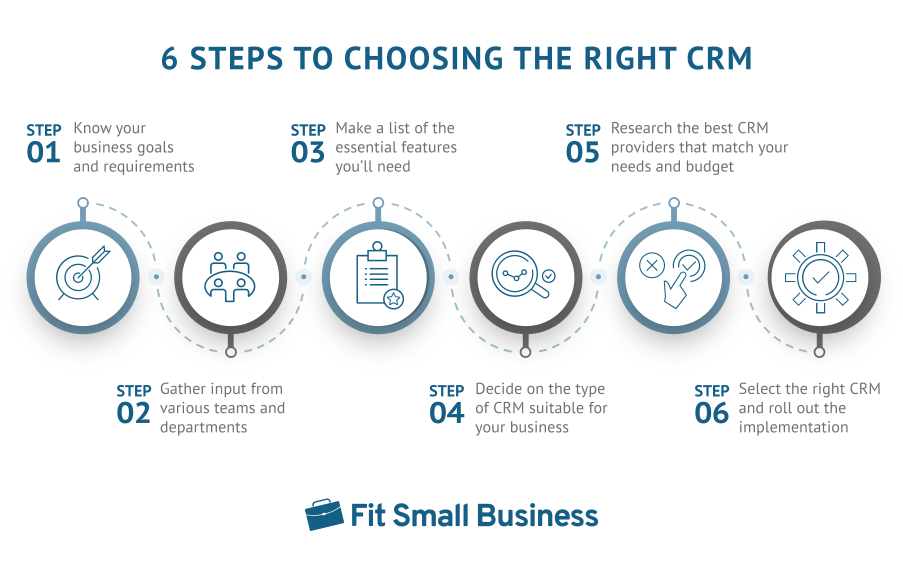
When selecting a CRM software solution for your business, it’s essential to consider your specific needs, budget, and scalability requirements. Here are some key factors to keep in mind:

1. Features and Functionality
Look for CRM software that offers a comprehensive set of features, including contact management, lead scoring, pipeline management, email marketing, and reporting tools. Consider whether the software integrates with other business applications you use, such as marketing automation platforms or e-commerce systems.

2. Ease of Use
Choose CRM software that is intuitive and user-friendly, with a clean interface and customizable workflows. Ensure that your team can easily adopt and utilize the software without extensive training or technical expertise.

3. Customization Options
Opt for CRM software that allows you to tailor the system to your specific business needs, such as custom fields, workflows, and reporting dashboards. The ability to customize the software ensures that it aligns with your unique processes and requirements.
4. Scalability and Integration
Select a CRM software solution that can scale with your business as it grows and evolves. Consider whether the software offers seamless integration with other tools and systems to create a unified ecosystem for managing customer relationships.
5. Customer Support
Choose a CRM software provider that offers responsive customer support, training resources, and ongoing assistance to ensure a smooth implementation and optimal use of the software.
The Benefits of CRM Software for Your Business
Implementing the best CRM software solution can provide numerous benefits for your business, including:
1. Improved Customer Relationships
CRM software enables businesses to track customer interactions, preferences, and purchase history, allowing for personalized communication and targeted marketing campaigns. By understanding customer needs and preferences, businesses can build stronger relationships and enhance customer satisfaction.
2. Increased Sales Efficiency
CRM software streamlines the sales process by automating tasks, tracking leads, and providing real-time insights into sales performance. Sales teams can prioritize leads, forecast sales, and identify cross-selling opportunities to drive revenue growth.
3. Enhanced Marketing Effectiveness
CRM software helps marketers segment audiences, personalize campaigns, and track campaign performance, leading to higher engagement and conversion rates. By targeting the right audience with the right message at the right time, businesses can maximize their marketing ROI.
4. Data-Driven Decision Making
CRM software provides valuable data and analytics that enable businesses to make informed decisions, identify trends, and optimize processes. By leveraging data-driven insights, businesses can improve efficiency, reduce costs, and drive strategic growth initiatives.
5. Streamlined Operations
CRM software centralizes customer data, communications, and workflows, reducing manual tasks and improving operational efficiency. By automating routine processes and standardizing workflows, businesses can streamline operations and focus on high-impact activities.
Conclusion
In conclusion, investing in the best CRM software solution can significantly elevate your business by improving customer relationships, increasing sales efficiency, enhancing marketing effectiveness, enabling data-driven decision making, and streamlining operations. By choosing a CRM software that aligns with your business needs and goals, you can unlock new opportunities for growth, innovation, and success in today’s competitive marketplace. Take the next step towards elevating your business with the power of CRM software.