Title: Maximizing Business Success with CRM Software Integration for Customer Relationship Management
Introduction:
In today’s competitive business landscape, maintaining strong relationships with customers is essential for long-term success. Customer Relationship Management (CRM) software plays a crucial role in helping businesses effectively manage and nurture these relationships. By integrating CRM software into your business management processes, you can streamline operations, improve customer satisfaction, and drive growth. This article explores the benefits of CRM software integration and how it can enhance your overall business management strategies.
Benefits of CRM Software Integration:
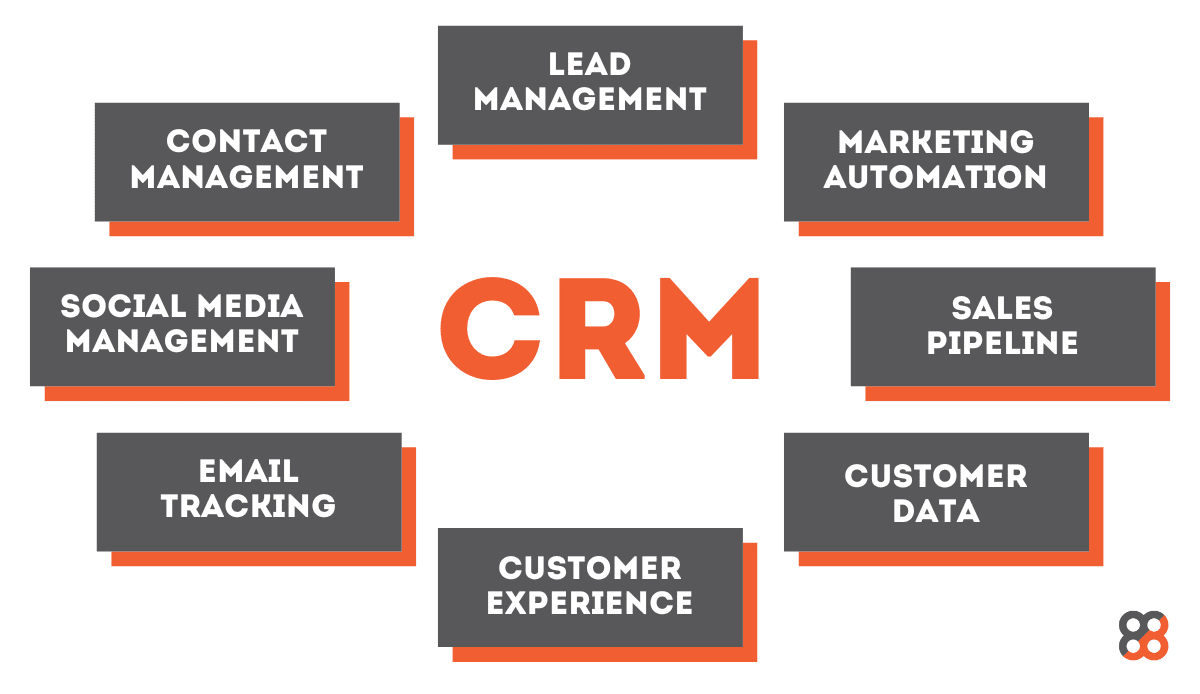
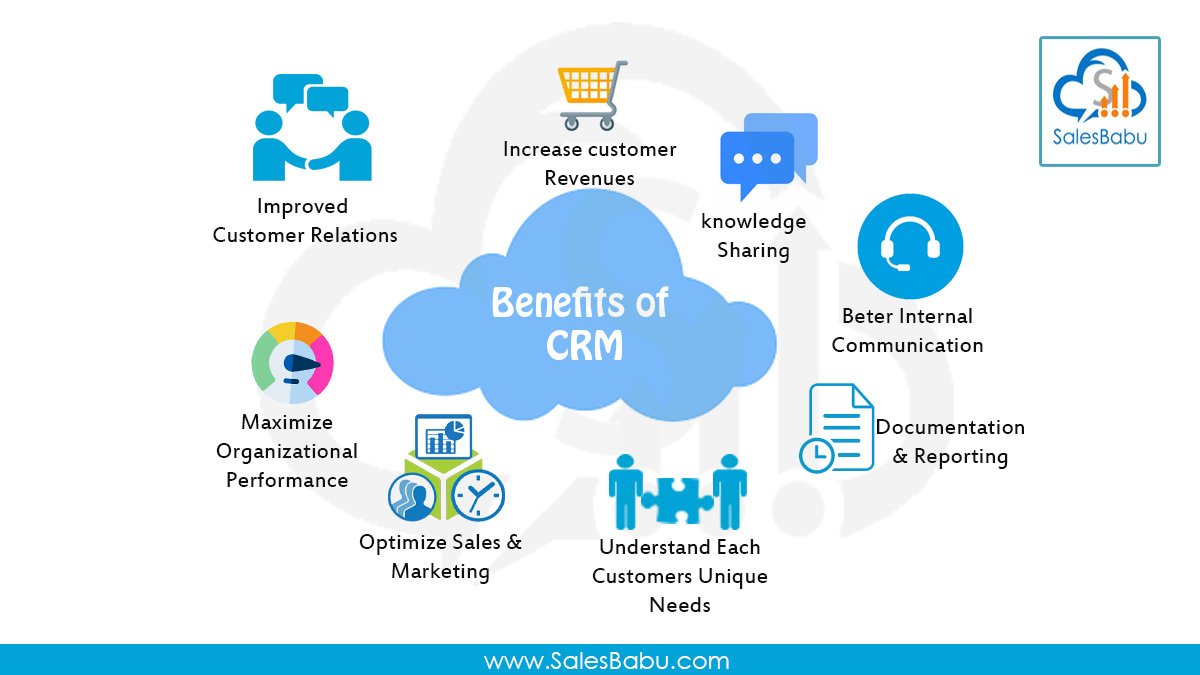
- Centralized Customer Data Management: CRM software allows businesses to consolidate customer information, interactions, and preferences into a centralized database. This enables easy access to critical data, leading to more personalized interactions and targeted marketing campaigns.
- Enhanced Communication and Collaboration: With CRM software, teams can collaborate more effectively by sharing real-time data and insights. This improves communication both internally and externally, leading to better customer service and increased efficiency.
- Improved Customer Engagement: By leveraging CRM software, businesses can track customer interactions across various touchpoints, such as social media, email, and phone calls. This data enables personalized engagement strategies that cater to individual customer needs and preferences.
- Automation of Routine Tasks: CRM software automates repetitive tasks, such as data entry, follow-up emails, and lead scoring. This frees up valuable time for employees to focus on high-value activities, such as building relationships and closing deals.
- Data Analytics and Reporting: CRM software provides powerful analytics tools that allow businesses to track key performance indicators, forecast sales trends, and generate detailed reports. This data-driven approach helps businesses make informed decisions and optimize their strategies for better results.
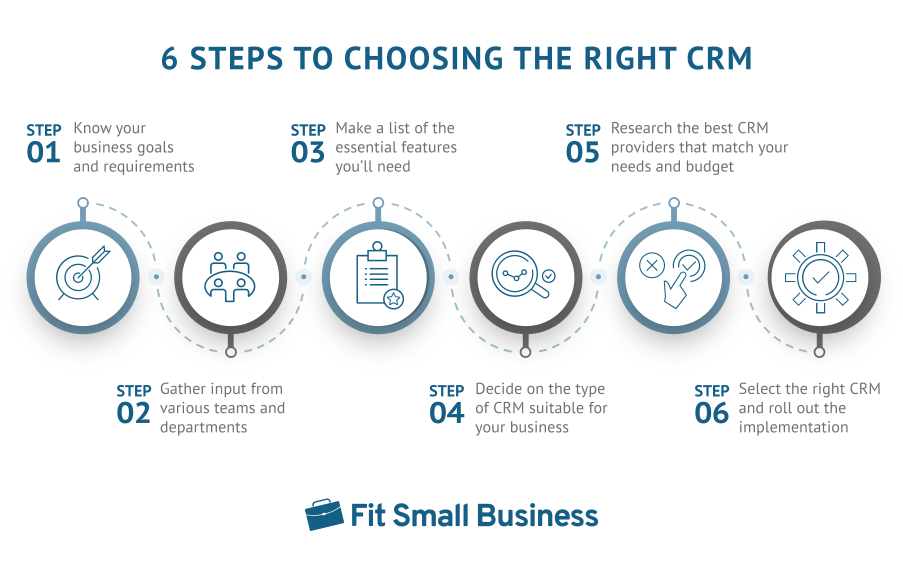
- Define Clear Objectives: Before implementing CRM software, clearly outline your business goals and objectives. This will help you tailor the integration process to meet specific needs and drive desired outcomes.
- Train Employees Effectively: Provide comprehensive training to employees on how to use CRM software effectively. Ensure that they understand the benefits of integration and how it can improve their daily workflows.
- Customize to Your Business Needs: Customize CRM software to align with your unique business processes and requirements. This will ensure a seamless integration that maximizes efficiency and delivers tangible results.
- Monitor and Measure Performance: Regularly monitor key performance metrics and track the impact of CRM software integration on business outcomes. Use this data to make informed adjustments and continuously improve your CRM strategy.
Integration with Other Business Systems:
To maximize the benefits of CRM software, integration with other business systems is crucial. By syncing CRM data with tools such as marketing automation platforms, ERP systems, and customer support software, businesses can create a seamless, interconnected ecosystem that enhances overall efficiency and productivity.
Tips for Successful CRM Software Integration:
Conclusion:
CRM software integration is a powerful tool for enhancing customer relationships, optimizing business management processes, and driving growth. By leveraging the benefits of CRM software and integrating it with other business systems, businesses can unlock new opportunities, improve operational efficiency, and achieve sustainable success in today’s competitive market.
Incorporating CRM software into your business management strategies is a strategic investment that can yield significant returns in terms of customer satisfaction, retention, and revenue growth. Embrace CRM software integration as a cornerstone of your business strategy and watch your business thrive.