Tag: customer relationship management

  • Title: Maximizing Business Success with CRM Software Inte…

    Title: Maximizing Business Success with CRM Software Integration for Customer Relationship Management

    Introduction:
    In today’s competitive business landscape, maintaining strong relationships with customers is essential for long-term success. Customer Relationship Management (CRM) software plays a crucial role in helping businesses effectively manage and nurture these relationships. By integrating CRM software into your business management processes, you can streamline operations, improve customer satisfaction, and drive growth. This article explores the benefits of CRM software integration and how it can enhance your overall business management strategies.

    Benefits of CRM Software Integration:

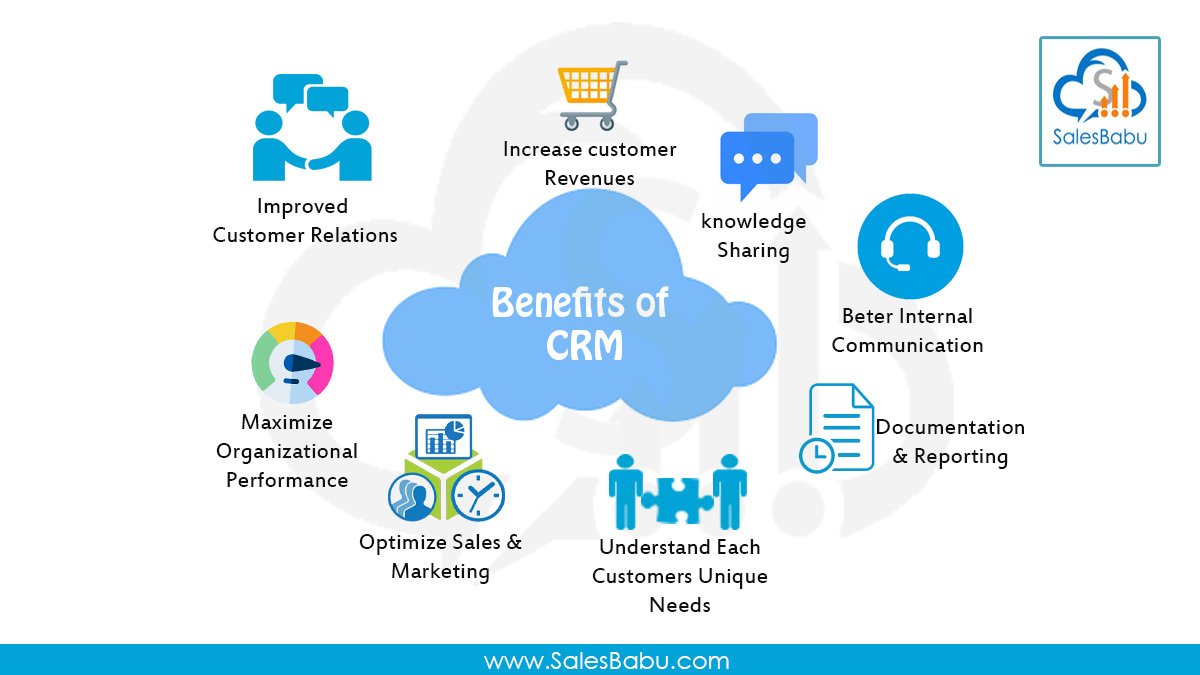
    1. Centralized Customer Data Management: CRM software allows businesses to consolidate customer information, interactions, and preferences into a centralized database. This enables easy access to critical data, leading to more personalized interactions and targeted marketing campaigns.
    2. Enhanced Communication and Collaboration: With CRM software, teams can collaborate more effectively by sharing real-time data and insights. This improves communication both internally and externally, leading to better customer service and increased efficiency.
    3. Improved Customer Engagement: By leveraging CRM software, businesses can track customer interactions across various touchpoints, such as social media, email, and phone calls. This data enables personalized engagement strategies that cater to individual customer needs and preferences.
    4. Automation of Routine Tasks: CRM software automates repetitive tasks, such as data entry, follow-up emails, and lead scoring. This frees up valuable time for employees to focus on high-value activities, such as building relationships and closing deals.
    5. Data Analytics and Reporting: CRM software provides powerful analytics tools that allow businesses to track key performance indicators, forecast sales trends, and generate detailed reports. This data-driven approach helps businesses make informed decisions and optimize their strategies for better results.
    6. Integration with Other Business Systems:
      To maximize the benefits of CRM software, integration with other business systems is crucial. By syncing CRM data with tools such as marketing automation platforms, ERP systems, and customer support software, businesses can create a seamless, interconnected ecosystem that enhances overall efficiency and productivity.

      Tips for Successful CRM Software Integration:

    7. Define Clear Objectives: Before implementing CRM software, clearly outline your business goals and objectives. This will help you tailor the integration process to meet specific needs and drive desired outcomes.
    8. Train Employees Effectively: Provide comprehensive training to employees on how to use CRM software effectively. Ensure that they understand the benefits of integration and how it can improve their daily workflows.
    9. Customize to Your Business Needs: Customize CRM software to align with your unique business processes and requirements. This will ensure a seamless integration that maximizes efficiency and delivers tangible results.
    10. Monitor and Measure Performance: Regularly monitor key performance metrics and track the impact of CRM software integration on business outcomes. Use this data to make informed adjustments and continuously improve your CRM strategy.

    Conclusion:
    CRM software integration is a powerful tool for enhancing customer relationships, optimizing business management processes, and driving growth. By leveraging the benefits of CRM software and integrating it with other business systems, businesses can unlock new opportunities, improve operational efficiency, and achieve sustainable success in today’s competitive market.

    Incorporating CRM software into your business management strategies is a strategic investment that can yield significant returns in terms of customer satisfaction, retention, and revenue growth. Embrace CRM software integration as a cornerstone of your business strategy and watch your business thrive.

  • Elevate Your Business with the Best CRM Software Solutions

    In today’s fast-paced business environment, customer relationship management (CRM) software has become a crucial tool for companies looking to streamline their operations, improve customer interactions, and boost overall profitability. With the right CRM software solution, businesses can effectively manage their customer data, automate marketing campaigns, track sales activities, and provide exceptional customer service. In this article, we will explore how implementing the best CRM software can help elevate your business to new heights.

    Understanding the Importance of CRM Software

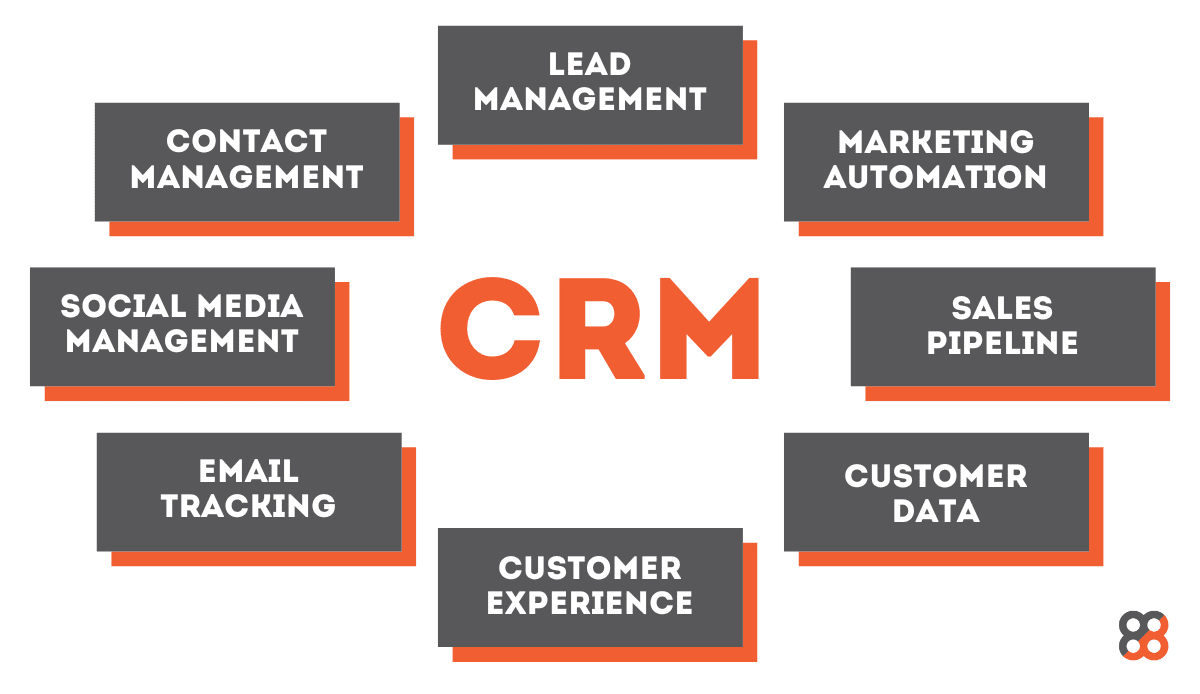
    CRM software serves as a centralized hub for all customer-related information, including contact details, purchase history, communication logs, and interactions across various touchpoints. By consolidating this data into a single platform, businesses can gain valuable insights into customer behavior, preferences, and satisfaction levels. This, in turn, enables companies to tailor their marketing strategies, personalize customer interactions, and strengthen relationships with their target audience.

    Moreover, CRM software offers advanced features such as lead management, sales forecasting, pipeline tracking, and performance analytics, empowering businesses to make data-driven decisions and optimize their sales processes. By automating repetitive tasks, prioritizing leads, and monitoring key performance metrics, organizations can improve efficiency, accelerate sales cycles, and drive revenue growth.

    Choosing the Right CRM Software Solution
    Source: bigbang360.com

    Choosing the Right CRM Software Solution

    When selecting a CRM software solution for your business, it’s essential to consider your specific needs, industry requirements, budget constraints, and scalability options. There are numerous CRM software providers in the market, each offering a unique set of features, customization capabilities, and integration options. Some popular CRM software solutions include Salesforce, HubSpot CRM, Zoho CRM, and Microsoft Dynamics 365.

    To determine the best CRM software for your business, assess the following criteria:

      1. Ease of Use: Look for a user-friendly interface that your team can quickly adapt to without extensive training.
      2. Customization: Ensure the CRM software can be tailored to meet your specific business processes and requirements.
      3. Integration: Choose a CRM solution that seamlessly integrates with your existing tools, such as email marketing platforms, accounting software, and e-commerce systems.
      4. Scalability: Select a CRM software that can grow with your business and accommodate increasing data volumes and user counts.
      5. Customer Support: Opt for a provider that offers reliable customer support, training resources, and regular updates to enhance the user experience.
      6. By conducting thorough research, seeking recommendations, and testing out different CRM software options, you can identify the best solution that aligns with your business objectives and enhances your overall operations.

        Benefits of Implementing CRM Software

        Implementing the best CRM software solution can deliver a wide range of benefits to your business, including:

      7. Improved Customer Relationships: By centralizing customer data, tracking interactions, and personalizing communications, businesses can strengthen relationships and foster customer loyalty.
      8. Enhanced Sales Performance: CRM software streamlines lead management, automates sales processes, and provides real-time insights to boost sales productivity and drive revenue growth.
      9. Increased Efficiency: Automation tools, workflow automation, and task reminders help reduce manual work, eliminate redundancies, and improve team collaboration.
      10. Data-driven Insights: CRM software generates valuable reports, analytics, and forecasts that enable businesses to make informed decisions, identify trends, and seize new opportunities.
      11. Enhanced Customer Service: With a 360-degree view of customer interactions, businesses can provide timely responses, resolve issues promptly, and deliver exceptional service experiences.

    Conclusion

    In conclusion, investing in the best CRM software solution is a strategic move that can elevate your business to new heights by enhancing customer relationships, optimizing sales processes, improving efficiency, and driving overall growth. By choosing the right CRM software provider, customizing the platform to meet your unique needs, and leveraging its advanced features, you can transform your business operations, increase profitability, and stay ahead of the competition in today’s dynamic market landscape. Embrace the power of CRM software and unlock the full potential of your business.

    Remember, the key to success lies in selecting the best CRM software solution that aligns with your business objectives, prioritizes customer relationships, and empowers your team to deliver exceptional results. With the right CRM software in place, your business can thrive, innovate, and achieve long-term success in a competitive marketplace. Elevate your business with the best CRM software solutions today!

  • Title: Maximizing Business Efficiency with CRM Software I…

    Title: Maximizing Business Efficiency with CRM Software Integration for Customer Relationship Management

    Introduction:
    In today’s competitive business landscape, efficient customer relationship management (CRM) is crucial for maintaining a loyal customer base and driving business growth. CRM software plays a pivotal role in streamlining customer interactions, automating processes, and improving overall business management. Integrating CRM software into your business operations can enhance customer relationships, boost productivity, and drive revenue growth. This article delves into the importance of CRM software, its benefits for business management, and the significance of software integration in optimizing customer relationships.

    Importance of CRM Software:
    CRM software serves as a centralized hub for managing customer data, interactions, and communication channels. It enables businesses to track customer interactions, analyze data, and personalize communication for enhanced customer engagement. By leveraging CRM software, businesses can gain valuable insights into customer behavior, preferences, and purchase history, allowing them to tailor their marketing strategies and offer personalized experiences. Additionally, CRM software facilitates effective lead management, sales forecasting, and customer retention strategies, ultimately driving revenue growth and profitability.

    Benefits for Business Management:
    Integrating CRM software into business operations offers a myriad of benefits for overall business management. From efficient lead generation and sales pipeline management to streamlined customer support and service delivery, CRM software enhances operational efficiency and effectiveness. By automating repetitive tasks, tracking customer interactions, and providing real-time data analytics, CRM software empowers businesses to make informed decisions, improve resource allocation, and optimize workflow processes. Furthermore, CRM software facilitates seamless collaboration among departments, enhances communication, and fosters a customer-centric organizational culture.

    Significance of Software Integration:
    Software integration plays a critical role in maximizing the benefits of CRM software for customer relationship management. Integrating CRM software with other business applications, such as marketing automation tools, e-commerce platforms, and accounting software, enables seamless data flow, eliminates silos, and enhances cross-functional collaboration. By integrating CRM software with various systems and tools, businesses can create a unified view of customer data, streamline processes, and deliver consistent customer experiences across all touchpoints. Moreover, software integration enhances data accuracy, reduces manual errors, and increases overall operational efficiency.

    Conclusion:
    In conclusion, CRM software is a powerful tool for businesses looking to enhance customer relationships, improve business management, and drive growth. By integrating CRM software into their operations, businesses can streamline processes, automate tasks, and gain valuable insights into customer behavior. Software integration plays a crucial role in maximizing the benefits of CRM software, enabling seamless data flow, cross-functional collaboration, and personalized customer experiences. Embracing CRM software integration is essential for businesses seeking to stay competitive, drive revenue growth, and build lasting customer relationships in today’s dynamic market environment.