In recent years, the medical community has made significant advancements in the treatment of eosinophilic asthma, a subtype of asthma characterized by high levels of eosinophils in the airways. This condition can be particularly challenging to manage, as traditional asthma treatments often prove ineffective. However, with ongoing research and innovative therapies, the future of eosinophilic asthma treatment looks promising. In this comprehensive article, we will explore the latest developments in the field and discuss how these advancements are revolutionizing the management of this complex respiratory condition.
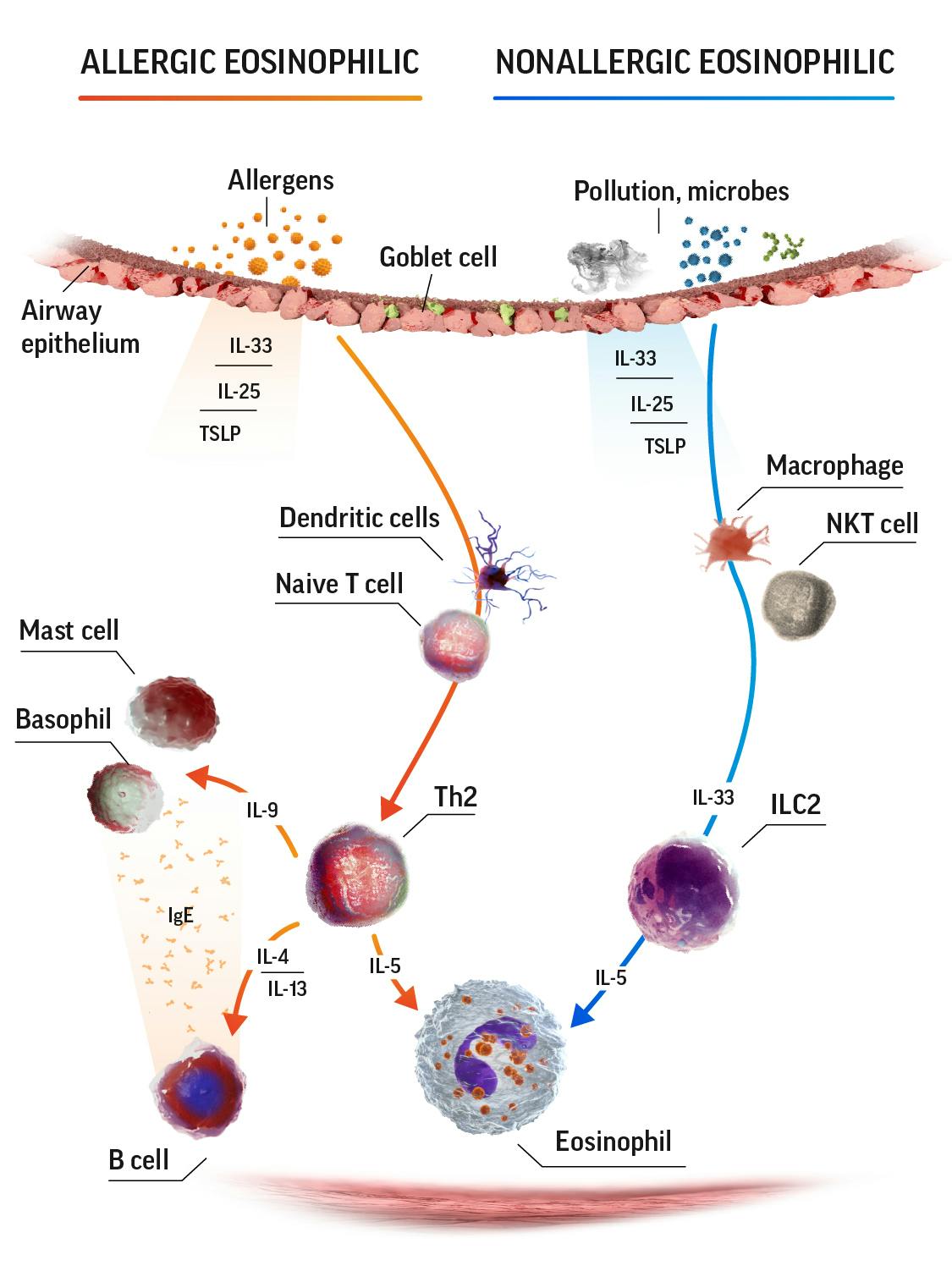
Understanding Eosinophilic Asthma
Eosinophilic asthma is a type of severe asthma characterized by high levels of eosinophils, a type of white blood cell, in the airways. These eosinophils play a central role in the inflammatory response that leads to airway constriction and breathing difficulties in individuals with this condition. Unlike other forms of asthma, eosinophilic asthma often does not respond well to traditional asthma medications, such as inhaled corticosteroids and bronchodilators, making it a significant challenge for both patients and healthcare providers.
Current Treatment Landscape
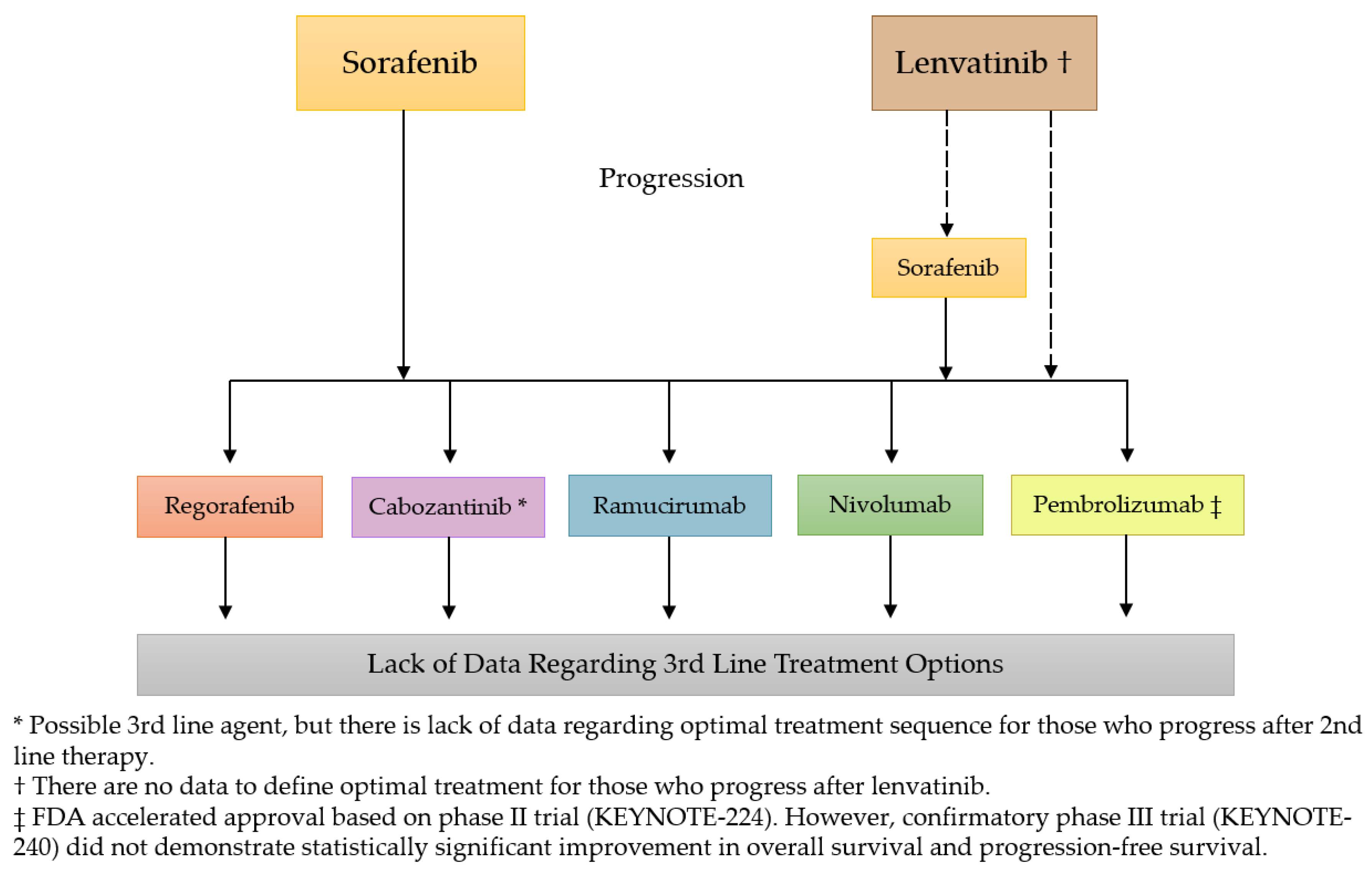
Historically, the treatment options for eosinophilic asthma have been limited, with many patients experiencing persistent symptoms despite aggressive therapy. However, recent breakthroughs in medical research have led to the development of new targeted therapies that specifically address the underlying mechanisms of eosinophilic asthma. These treatments aim to reduce eosinophilic inflammation in the airways, thereby improving symptoms and enhancing overall quality of life for patients.
Emerging Therapies and Future Directions
One of the most promising advancements in the treatment of eosinophilic asthma is the development of biologic therapies that target specific molecules involved in the inflammatory cascade. These biologics work by blocking key pathways that drive eosinophilic inflammation, leading to a significant reduction in asthma exacerbations and improved lung function. Additionally, ongoing research is exploring the use of novel immunomodulatory agents and gene therapies that may offer even greater efficacy in the management of eosinophilic asthma.

Personalized Medicine and Precision Therapies
As our understanding of the underlying mechanisms of eosinophilic asthma continues to evolve, personalized medicine approaches are becoming increasingly important in tailoring treatment strategies to individual patients. By identifying biomarkers and genetic factors that contribute to eosinophilic inflammation, healthcare providers can prescribe targeted therapies that are specifically designed to address each patient’s unique needs. This personalized approach holds great promise for improving treatment outcomes and reducing the burden of eosinophilic asthma on patients and healthcare systems.
Conclusion
In conclusion, the future of eosinophilic asthma treatment is bright, with innovative therapies and personalized medicine approaches offering new hope for patients living with this challenging condition. By harnessing the power of cutting-edge research and technology, healthcare providers can deliver more effective and tailored treatments that target the root causes of eosinophilic inflammation. As we continue to advance our understanding of this complex respiratory disorder, it is clear that the future holds great promise for individuals with eosinophilic asthma, allowing them to breathe easy and enjoy a better quality of life.
In summary, the future of eosinophilic asthma treatment is characterized by groundbreaking research, innovative therapies, and personalized medicine approaches that offer new hope for patients. By leveraging these advancements, healthcare providers can revolutionize the management of this complex respiratory condition and improve outcomes for individuals living with eosinophilic asthma. With ongoing dedication to research and patient care, we are paving the way for a brighter future for those affected by this challenging condition.